
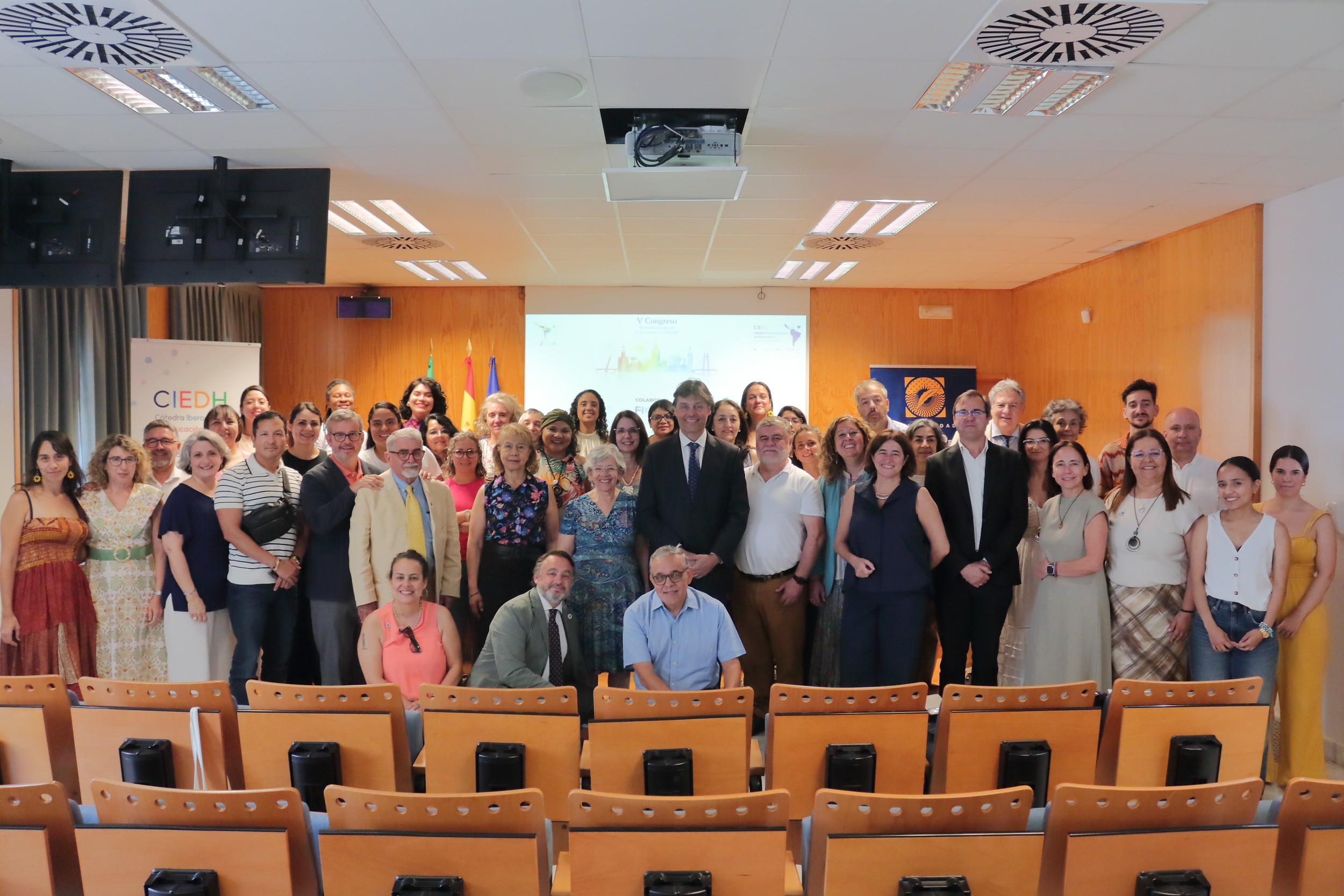
More than a dozen countries took part in a meeting that combined research, institutional cooperation, and cultural activities to strengthen inclusion in higher education.
The 5th Ibero-American Congress “Universities Committed to Inclusion and the Social Environment: The Fight Against Vulnerability” concluded this week at Pablo de Olavide University with a highly positive outcome, consolidating its position as one of the leading Ibero-American forums for analysis, research, and the exchange of experiences in university inclusion.
Over several days, researchers, faculty members, institutional leaders, and representatives of international organizations shared knowledge and best practices aimed at building more inclusive, accessible universities committed to equal opportunities.
A university connected to society
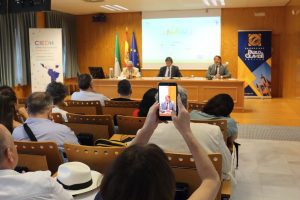 The closing panel focused on the principles that should guide a socially committed university. Participants agreed that higher education institutions cannot be understood in isolation from society and that their role must go beyond academic training to become an active agent of social transformation.
The discussion emphasized the importance of promoting equality policies, strengthening student support systems, and advancing organizational models that integrate inclusion as a cross-cutting axis of university activity.
It was also highlighted that principles such as non-discrimination, equity, and student retention are essential to ensuring accessible higher education aligned with contemporary social needs.
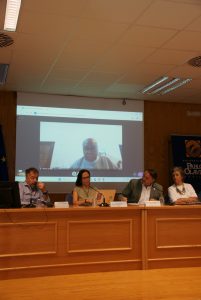
Session10 June 10 hs
Research as a driver of change: scientific sessions
The congress dedicated a prominent space to the presentation of scientific papers, enabling the sharing of research and experiences from various Ibero-American universities.
The first session was coordinated by Remedios Benítez of the University of Cádiz and featured contributions from María del Rocío Manzano, Rosario Caraballo, José Manuel Tobío, and Natalia Savione.
The second session, coordinated by Lucía Alcántara, also from the University of Cádiz, included presentations by Óscar A. Martínez, Manuel Jesús Pérea, María García, and Lucimar Rosa Dias.
These sessions made it possible to disseminate research findings, foster new lines of collaboration, and enrich the academic debate on inclusion, vulnerability, and higher education.
New alliances to promote international university cooperation
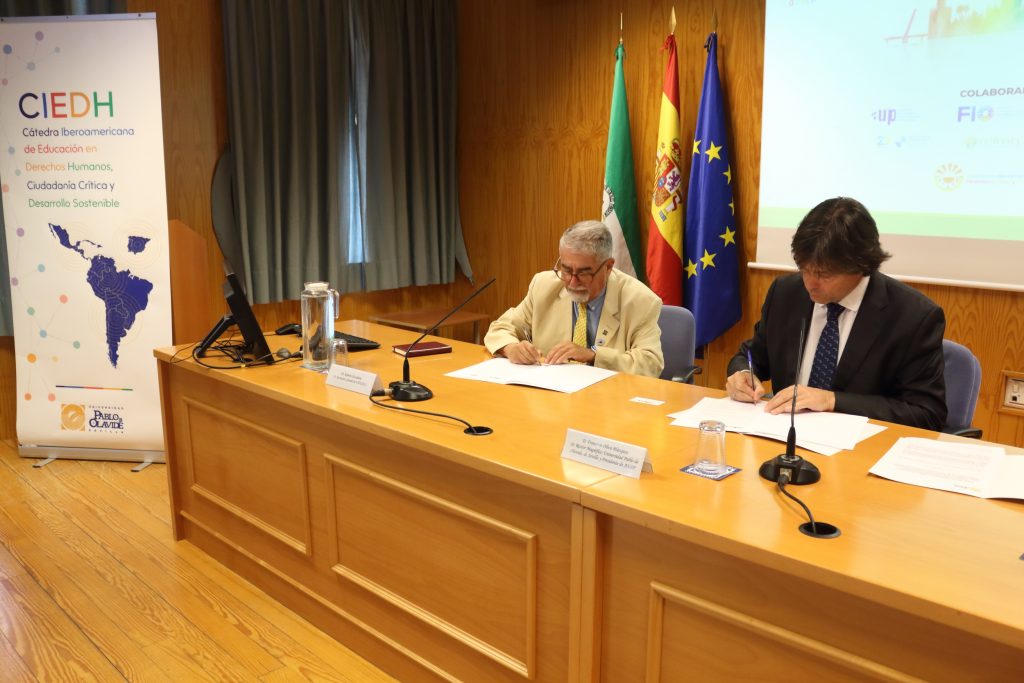
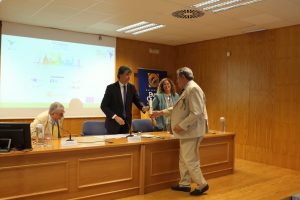
One of the most significant milestones of the congress was the signing of several cooperation agreements aimed at strengthening joint projects across the Ibero-American region.
The agreements were signed by the Ibero-American Chair of Education in Human Rights, Critical Citizenship, and Sustainable Development (CIEDH), represented by its president Carlos Martínez; the Ibero-American University Association for Postgraduate Studies (AUIP), represented by Francisco Oliva, Rector of Pablo de Olavide University and president of the association; and the Union of Universities of Latin America and the Caribbean (UDUALC), represented by its Secretary General Roberto Escalante.
These agreements reinforce cooperation among academic institutions on both sides of the Atlantic and open new opportunities for research, training, and knowledge transfer.
Seville: a setting for cultural exchange
In addition to academic activities, the congress included initiatives designed to encourage interaction among participants and strengthen ties between institutions.
Among these, a visit to the Royal Alcázar of Seville stood out. This major historic complex—listed as a UNESCO World Heritage Site together with Seville Cathedral and the Archive of the Indies—allowed attendees to experience firsthand one of the city’s most iconic cultural landmarks.
A meeting that projects the future of university inclusion
The closing of the congress marks the end of an intense week of collaborative work, but also the beginning of new lines of cooperation among universities, international organizations, and research groups committed to building a more inclusive higher education system.