Mónica Pérez & Guillermo Domínguez
The European project analyzes support strategies for vulnerable students and presents its internal quality assurance system during the morning working session
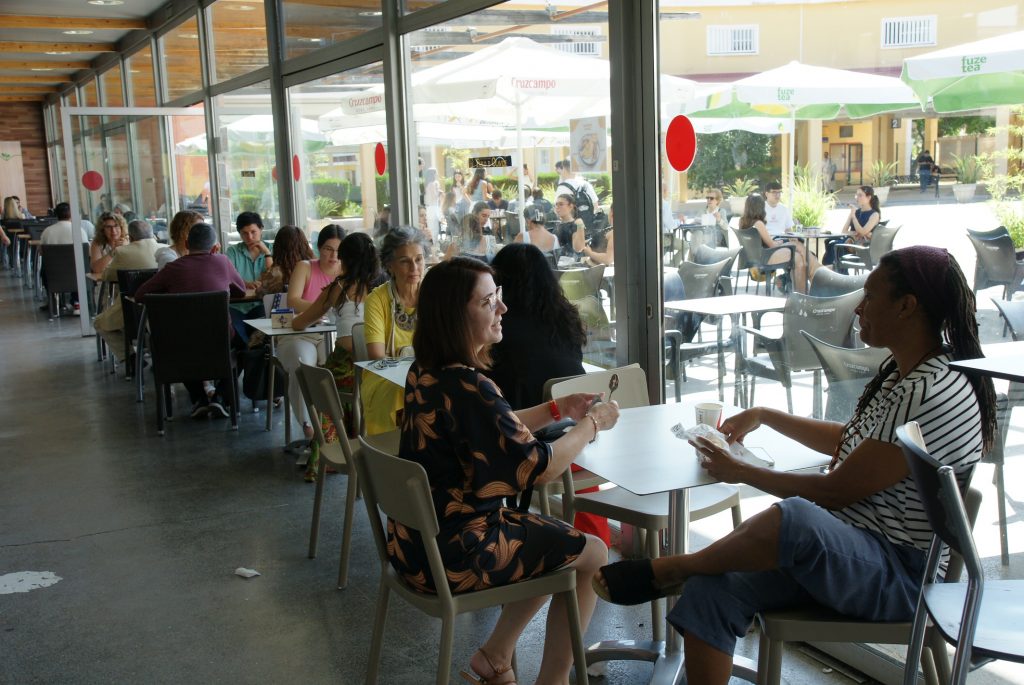
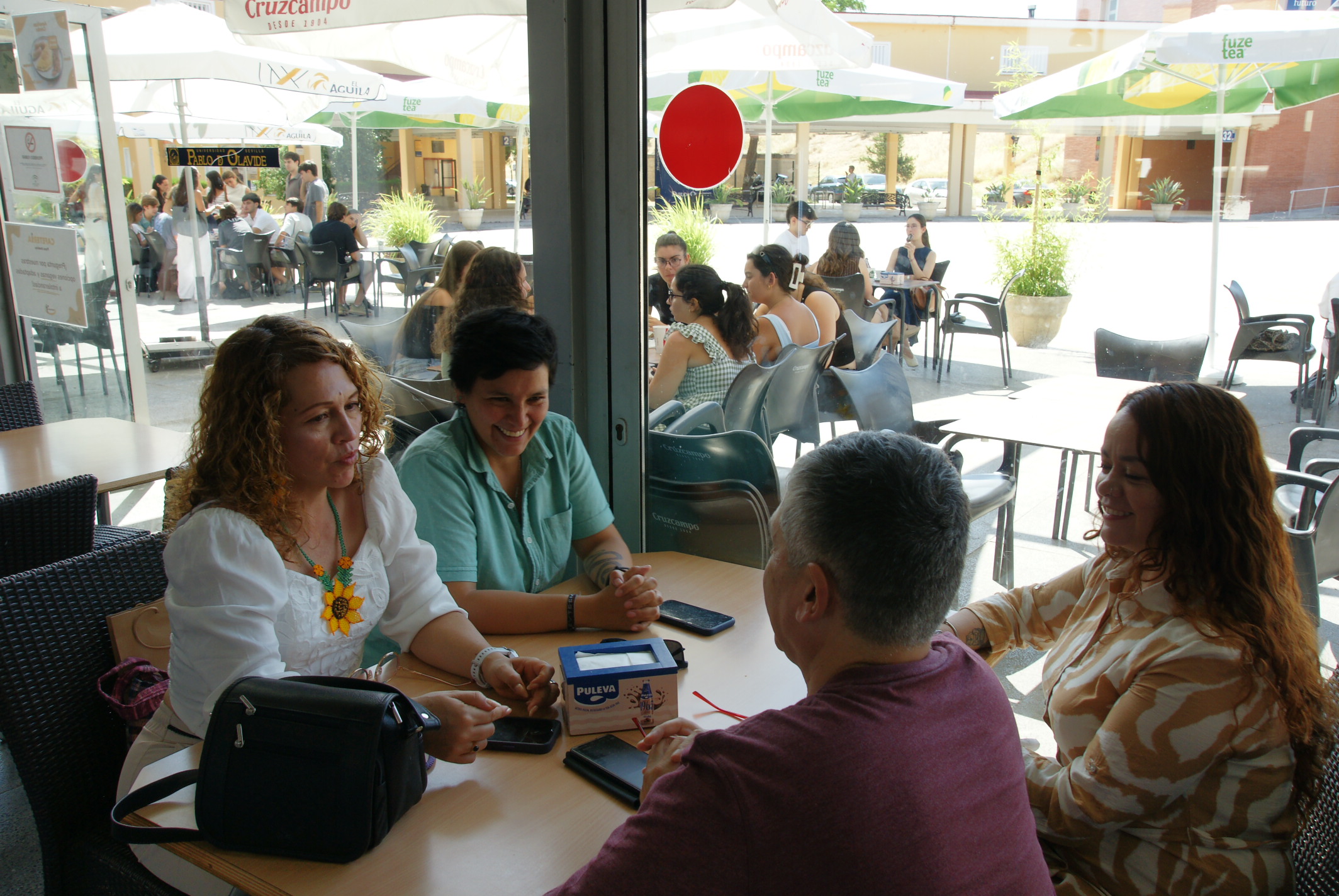
The morning session of the European project EDUDER brought together experts and representatives from the participating universities to address two of the initiative’s key pillars: mentoring strategies aimed at students in vulnerable situations and quality evaluation mechanisms that ensure the continuous improvement of the actions carried out.
During the first session of the morning, participants analyzed the different mentoring experiences implemented by the universities involved in the project. In total, 17 strategies were presented, based on mentoring programs, courses, workshops, and mixed models, developed in both European and American institutions.
Experts agreed in highlighting that mentoring is an effective tool for improving the situation of people in vulnerable contexts and for facilitating their access to, retention in, and success within higher education. Likewise, the growing interest and commitment of universities to support these groups from a comprehensive perspective was emphasized.
The interventions underlined that addressing vulnerability should not focus solely on specific groups, but should instead be embedded within the institutional culture of the entire university, involving its various structures and services.
As a conclusion to this session, participants noted that “for a project like EDUDER to have an impact on institutional culture, it is necessary to first carry out an appropriate diagnosis and establish realistic timelines for planning and implementing actions.”
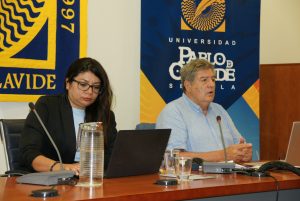
The morning then continued with a session dedicated to the project’s quality assurance. Mónica Pérez presented the EDUDER Internal Quality Assurance System (SIAC-EDUDER), explaining the design and implementation process of this instrument, which is based on the self-assessment of participating institutions through the use of specific rubrics.
During the presentation, it was highlighted that quality in EDUDER is conceived as a continuous process aimed at ensuring measurable results, effective knowledge transfer, and sustainable structural improvements in the participating universities.
For his part, Guillermo Domínguez delved into the practical application of quality criteria within the project, presenting concrete proposals to strengthen improvement processes. The session concluded with an open discussion among participants on the most appropriate strategies to consolidate and expand the impact of the actions carried out.
These sessions helped reinforce the commitment of the participating universities to building more inclusive educational environments and to developing mechanisms that ensure the sustainability and effectiveness of the measures promoted by the EDUDER project.